Visiting Monasterboice: Practical Tips for Retirees
Parking, facilities, best times to visit, what to bring, and how to make the most of your day. Honest advice about accessibility, weather planning, and nearby amenities for comfortable exploration.


Planning Your Visit
Monasterboice isn't crowded, and that's part of its charm. You'll likely have the site mostly to yourself, especially if you visit on a weekday morning or during the shoulder seasons. The site's free to explore — there's no entrance fee or booking required, which makes it wonderfully accessible.
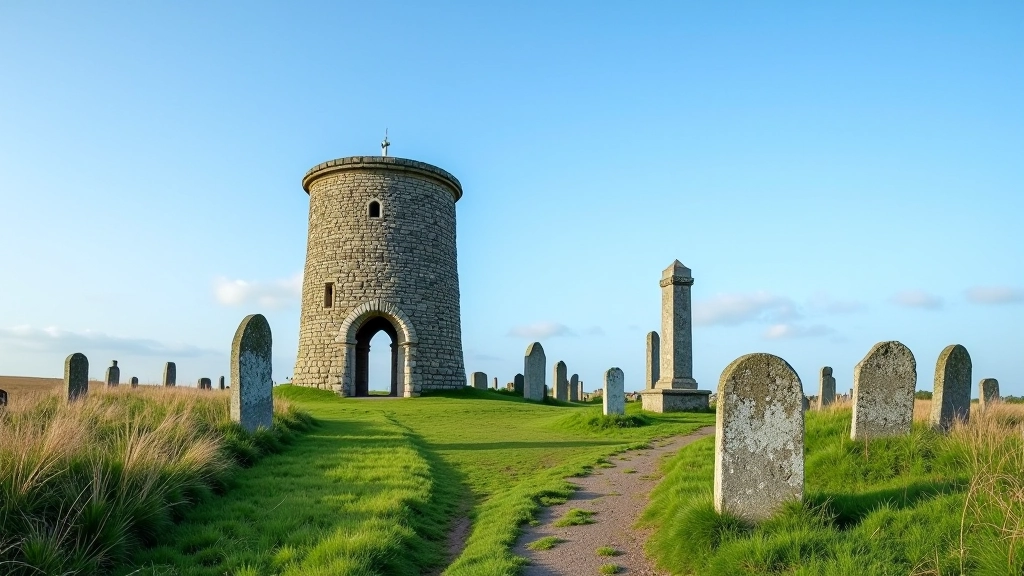
The terrain is mostly gentle. Paths are grass and gravel rather than paved, which means comfortable walking shoes matter more than fancy hiking boots. We've visited in June, and the wildflowers along the churchyard edges were brilliant. Rain's always possible, so don't rely on forecasts — bring a light waterproof just in case.
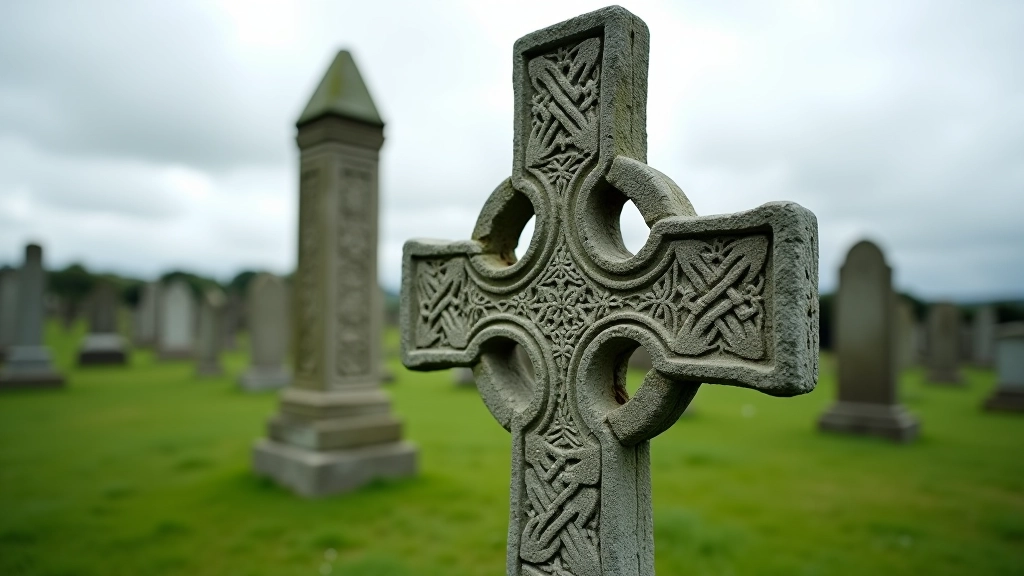
Most visits take 45 minutes to an hour if you're reading the cross carvings carefully. You can move faster if you prefer, but honestly, slowing down here pays off. The detail work on those high crosses deserves attention.
Important Notice
This guide is educational and informational in nature. While we've made every effort to provide accurate details about access, facilities, and visiting conditions at Monasterboice, circumstances can change seasonally or due to site maintenance. We recommend contacting the local Louth Tourism Office or checking ahead if you have specific accessibility requirements. Always check weather conditions before your visit, wear appropriate footwear, and ensure you're physically comfortable with walking on uneven terrain. This information isn't a substitute for direct communication with site managers or local authorities regarding current conditions.
Getting There & Accessibility
Parking is straightforward. There's a small car park right at the site entrance — it holds about 15-20 cars comfortably. If it's full (rare, but possible on summer weekends), you can park along the nearby country road without issue. No permit needed, no time restrictions.
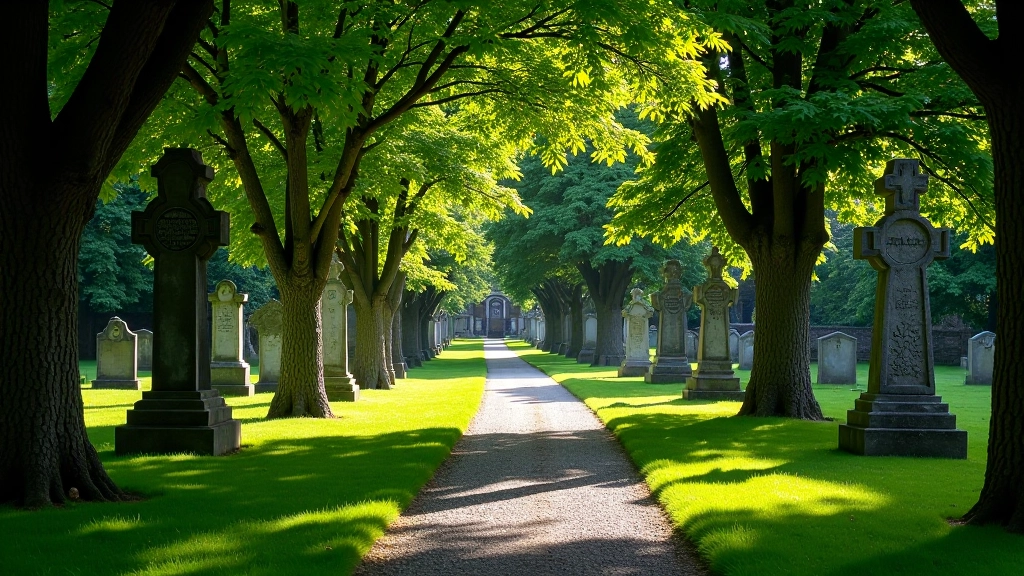
The main paths are navigable for most mobility levels, though it's not entirely flat. From the car park, you'll walk about 100 metres to reach the high crosses. The ground is firm enough in dry weather, but after rain it can get muddy — those waterproof walking shoes we mentioned become essential. There's a slight slope through the churchyard itself, nothing dramatic, but worth noting if you're using a walking stick.
Facilities You'll Find
- Public toilet facilities on-site (basic but clean)
- No café or refreshments at the site itself
- Benches scattered throughout the churchyard for rest
- Mobile signal is patchy — don't rely on it
- Nearest town (Drogheda) is 8km away with cafés and shops
Best Times to Visit

Early morning — say, between 8 and 10 AM — is genuinely the best window. You'll have the site to yourself, and the light on the stone carving is softer. Plus, it's cooler if you're visiting in warmer months. The air feels different at Monasterboice early on.
Late afternoon (after 4 PM) is the second-best option. The low sun creates brilliant detail on the cross faces. Bring a camera if you're interested in photography — the golden hour lighting here is worth the extra trip.
Seasonal Considerations
Spring (March-May): Wildflowers, milder weather, but changeable. Pack layers.
Summer (June-August): Busier but most reliable weather. Midges can be annoying late afternoon.
Autumn (September-November): Beautiful light, fewer visitors, but shorter daylight hours. Plan earlier visits.
Winter (December-February): Wet and muddy. Paths can be slippery. Not ideal unless you're experienced with uneven terrain.
What to Bring & How to Prepare
Footwear
Waterproof walking shoes with good grip. Trainers work if they're sturdy and have ankle support. Avoid sandals or dress shoes entirely.
Weather Gear
A light waterproof jacket takes up minimal space and makes a real difference. Even if the forecast looks clear, bring it. Irish weather changes quickly.
Sun Protection
Sunscreen, a hat, and sunglasses. You're often in open churchyard with little shade. Reflection off the stone can surprise you.
Hydration
Bring a water bottle. There's no drinking water on-site. A small snack is good too — you'll be walking more than you think.
Binoculars
Optional but worthwhile. High cross carvings are detailed — binoculars help you see the finer work without straining your neck.
Reference Material
Print or download a simple guide about the crosses. Understanding what you're looking at makes the visit richer.
Nearby Amenities & Next Steps
Drogheda is only 8km away — roughly a 15-minute drive. It's a proper medieval town with restaurants, cafés, and a few hotels if you're planning an overnight trip. The town itself has history worth exploring, especially around the Boyne area.
There's a decent lunch spot called the Weir House in nearby Oldbridge — about 5km from Monasterboice. Worth booking ahead if you're visiting on a weekend. Their brown bread and local cheeses are solid.
If you're interested in extending your visit, there's the Battle of the Boyne site visitor centre, also nearby. You could easily combine Monasterboice with a day exploring the broader area. The landscape itself is beautiful — rolling farmland, mature trees, real Irish countryside.
Making the Most of Your Visit
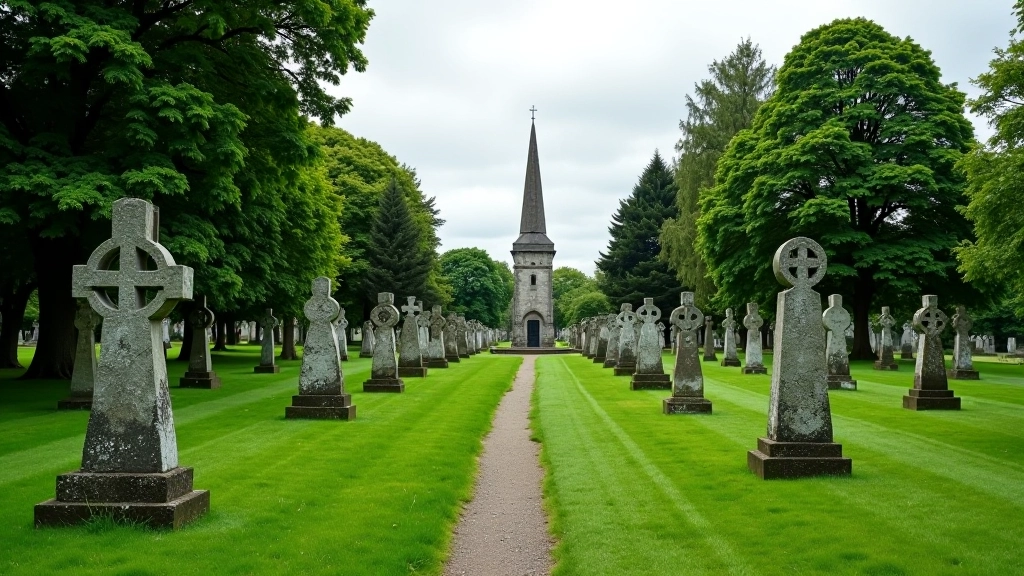
Spend time actually looking at the carving work. Don't rush through. The high crosses at Monasterboice are among the finest examples in Ireland — the biblical scenes, the interlace patterns, the human figures. They're storytelling in stone. Bring a magnifying glass if your eyesight isn't what it was. It'll change how you see them.
Talk to the site keeper if they're around. They're usually friendly and genuinely knowledgeable. They'll tell you things the guidebooks don't.
Making Monasterboice Part of Your Day
Monasterboice rewards slow looking. It's not a tourist attraction with facilities and crowds — it's a genuine historical site where you can stand beside stones carved 1,200 years ago and feel genuinely connected to something old. That's the real draw.
Come early, wear good shoes, bring water, and don't rush. The high crosses will still be there whether you spend 30 minutes or two hours. You're in no hurry. That's actually the whole point of visiting a place like this. You've earned the time to look properly.
Related Articles